
Active Warrants in Franklin County
No official Franklin County public active-warrant search was confirmed in the research. That means a Franklin County warrant search should not rely on private lists or assume a county database exists. Start with the public court record when the warrant is tied to a known criminal, traffic, or summary case, then contact the issuing court or official office for next steps.
Bench warrants and failure-to-appear events often connect to Magisterial District Court or Court of Common Pleas dockets. Arrest warrants, search warrants, fugitive warrants, probation or parole detainers, and traffic or summary warrants may have different public visibility. The UJS Case Search docket may show a warrant order, bail event, court appearance, or recall when public, but it may not show sealed or active investigative details.
Types of Warrants in Franklin County
Warrant labels matter because each type follows a different access path. A bench warrant can arise from missed court in an existing case. An arrest warrant can begin a new criminal process. A search warrant may stay sealed during an investigation. A detainer can involve probation, parole, or another agency.
- Arrest warrant - A judge authorizes arrest based on a criminal complaint or probable-cause showing.
- Bench warrant - A court issues the warrant for missed court, noncompliance, or failure to appear.
- Search warrant - A court authorizes a search, but active investigative search warrants are often not public lookup records.
- Fugitive warrant - A warrant or detainer may involve another county, state, or federal agency.
- Traffic or summary FTA - A Magisterial District Court may address missed traffic or summary proceedings.
How to Search Franklin County Warrants
Use a fallback chain rather than a single database. Search the public docket first, then check the court that issued the citation or docket, then use the Clerk of Courts or Sheriff's Office for official contact. If the request concerns releasable agency records rather than a court docket, use Franklin County's Right-to-Know process.
- Search UJS Case Search by participant name, docket number, OTN, complaint number, incident number, or citation number.
- Use the Scheduled Events Only filter when looking for upcoming hearings tied to a possible failure to appear.
- Contact the specific Magisterial District Court shown on the citation or docket for MDJ-level bench warrant questions.
- Contact the Franklin County Clerk of Courts for Common Pleas criminal file review at 14 North Main Street, Chambersburg, PA 17201.
- Contact the Franklin County Sheriff's Office for warrant-service questions, and use Right-to-Know only for releasable records.
Franklin County Warrant Search Fields
Because no confirmed county active-warrant portal was found, the practical search-field table is the UJS court-record path. These fields help find docket entries that may mention a bench warrant, failure to appear, bail order, warrant recall, or related criminal event.
| Field Label | Type | Required | Notes |
|---|---|---|---|
| Participant Name | Name search | Conditional | Use when no docket number is known, and choose Franklin when available. |
| Docket Number | Text | Conditional | Use CP or MJ docket format for known Common Pleas or Magisterial District Court cases. |
| OTN | Text | Conditional | Useful for criminal matters tied to an arrest and charge record. |
| Complaint or Incident Number | Text | Conditional | Useful when police paperwork or court paperwork supplies the identifier. |
| Scheduled Events Only | Checkbox | Optional | Can narrow results to future hearings, arraignments, trials, or conferences. |
What a Franklin County Warrant Record Shows
Public docket visibility depends on the case and warrant type. A public warrant-related entry may show enough to identify the case and issuing court, but it may not show full warrant documents or law-enforcement action notes.
| Field | What It Shows |
|---|---|
| Defendant or participant | The person tied to the docket or warrant-related court entry. |
| Docket number | The CP or MJ case identifier needed for court contact and file review. |
| Issuing court | The Common Pleas court or Magisterial District Court associated with the event. |
| Issue or docket date | The date of a warrant order, failure-to-appear event, bail action, or recall entry if public. |
| Charge or case type | The underlying criminal, traffic, summary, probation, or related matter. |
| Status or recall | Whether the docket shows an open event, recall, compliance action, or later hearing. |
What to Do If You Have an Outstanding Warrant
Do not rely on a third-party search to decide whether a Franklin County warrant is active. Identify the issuing court from the docket, citation, or notice. Contact counsel, the issuing Magisterial District Court, the Clerk of Courts, or law enforcement as appropriate. Ask whether the next step is an appearance, bail posting, payment, hearing scheduling, or another court instruction. After any recall or clearance, confirm that the docket later updates, since UJS warns that recent entries may lag.
Important: A person who believes a warrant exists should speak with counsel or the issuing court before appearing.
Crime Stoppers and Anonymous Tips
The research did not confirm an official Franklin County Crime Stoppers warrant-search channel with a specific phone number or reward page. Do not use anonymous tip pages as a substitute for checking a court docket or official office. For warrant-service questions, use the Franklin County Sheriff's Office. For court-issued bench warrant questions, use the issuing Magisterial District Court or the Clerk of Courts.
The Pennsylvania Clean Slate limited-access statute can affect whether some criminal records appear in public searches.
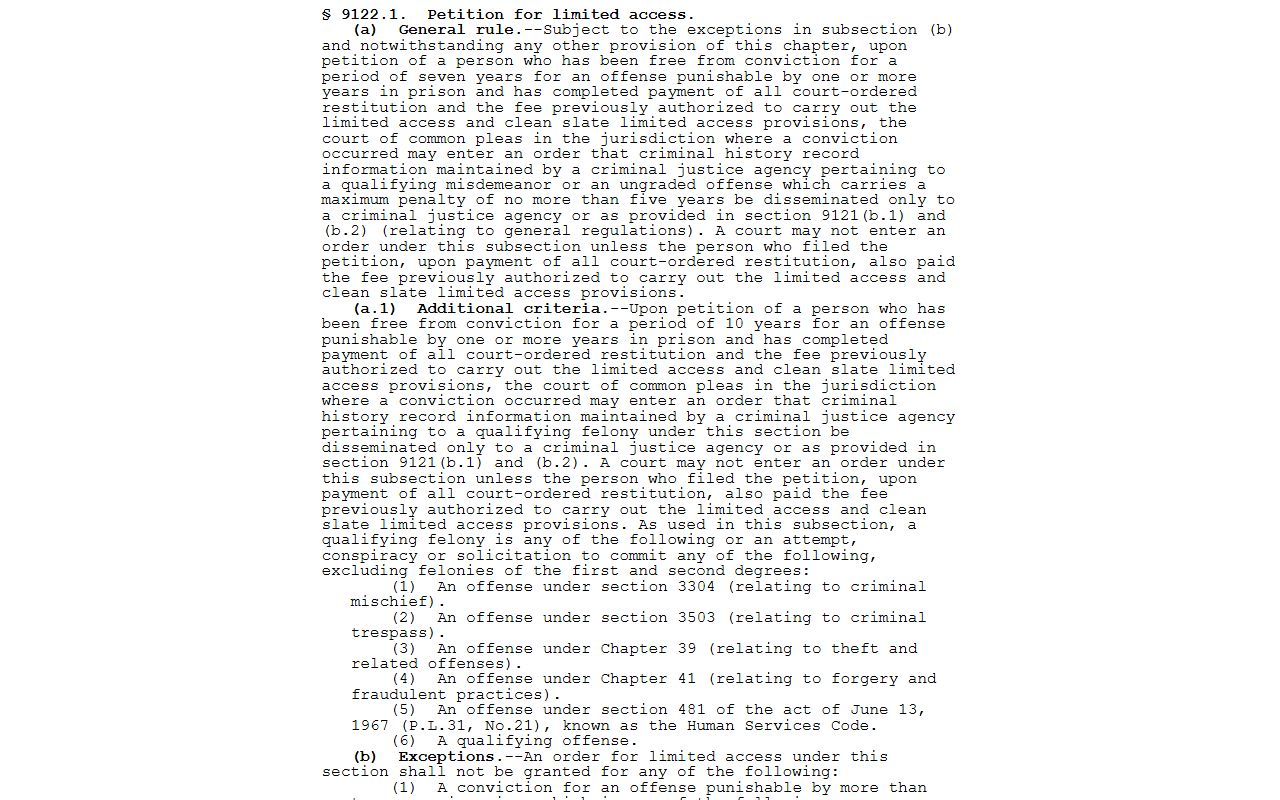
Limited access is one reason a warrant-related criminal record may not appear in the same way as an ordinary public docket.
Restricted Franklin County Warrant Records
Sealed warrants, juvenile warrants, active investigative search warrants, and some fugitive or probation records may not be available to the public. A Right-to-Know request may help with releasable sheriff or agency records, but it does not force disclosure of sealed court records or active investigative material.
The Pennsylvania expungement statute is relevant when eligible criminal records are removed from ordinary public access.
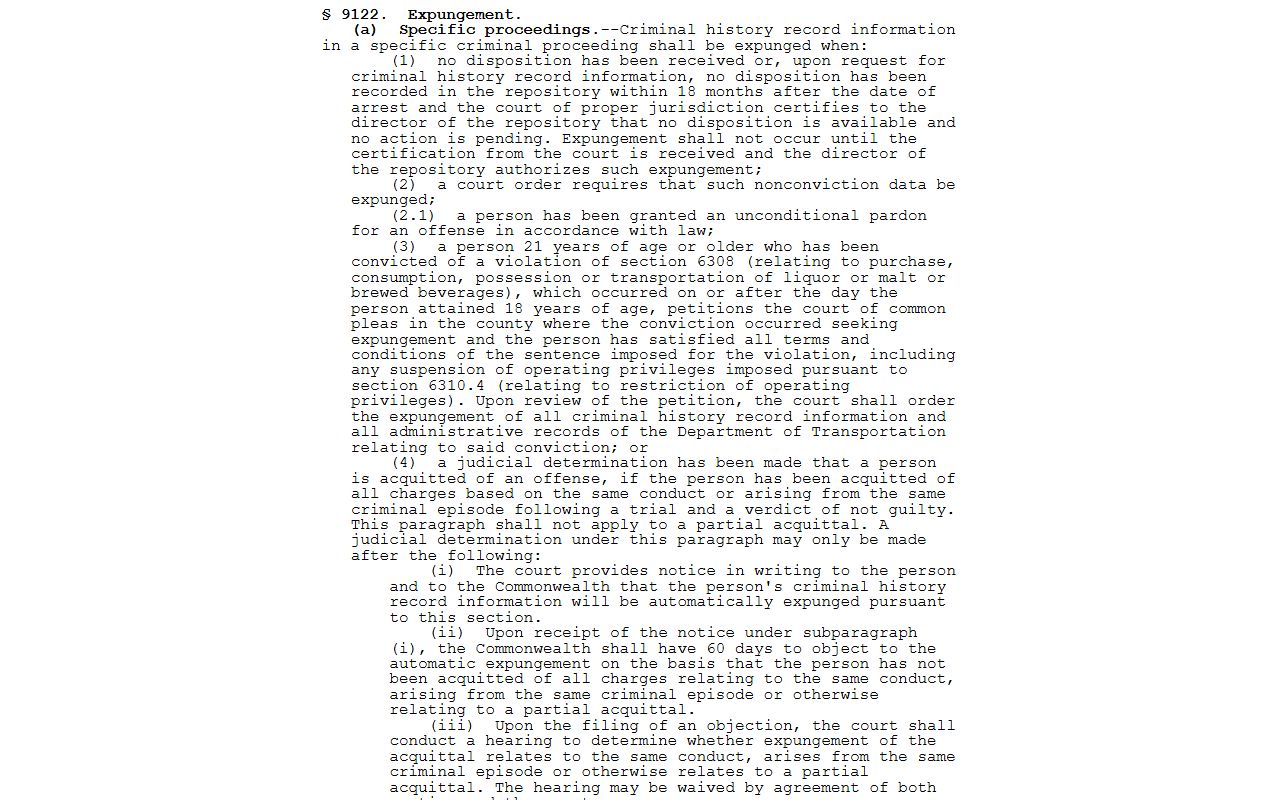
Expungement and sealing rules are separate from whether a warrant is active today, so official court contact remains necessary for live warrant concerns.